You measure 150 over 85 at home once and get a fright, because you remembered 120 over 80 as the norm. But a single measurement on a busy morning says little. In people over 60 a calm blood pressure is also often a little higher than that familiar number, and that is by no means always a reason for concern.
We notice many people are alarmed by one high single reading. In our view, what counts is not that one number, but the average over several calm measurements on different days.
What is a normal blood pressure?
A blood pressure around 120/80 mmHg is usually regarded as favourable, and above about 140/90 mmHg people often speak of raised blood pressure. A doctor looks not at a single reading, but at a series of calm measurements and at your other risk factors. What is normal differs from person to person.
In older adults a doctor sometimes sets a slightly more generous target, because too low a blood pressure can also cause complaints, such as dizziness when standing up. The right target is therefore tailored. Levenswijs does not offer blood pressure measurement itself: you measure that at home or at your GP. We do help with the related blood values, such as your cholesterol.
Does blood pressure change with age?
Yes. Vessels stiffen over the years, so the upper figure in particular often rises. A raised upper figure with a normal lower figure is the most common pattern in older adults. This pattern is called isolated systolic hypertension. The Dutch Heart Foundation (Hartstichting) describes it as a common consequence of the vessels ageing.
| Value | What it is | What it does with age |
|---|---|---|
| Upper figure (systolic) | The pressure when the heart squeezes | Often rises gradually |
| Lower figure (diastolic) | The pressure when the heart relaxes | Often stays the same or falls slightly |
| Pulse pressure (the gap) | Difference between upper and lower figure | Often widens, points to stiffer vessels |
That the upper figure rises with it is partly a normal part of ageing and no reason for concern in itself. It only becomes important alongside your other values.
What do the upper and lower figures mean?
The upper figure is the pressure when your heart squeezes, the lower figure the pressure when your heart relaxes. In older adults the upper figure may be raised while the lower stays normal. The gap between the two, the pulse pressure, says something about the stiffness of your vessels.
Your doctor therefore looks at both numbers and at the gap between them. The two figures together say more than apart, which is why a doctor always notes them as a pair, for example 145 over 85.
Why is high blood pressure a risk?
A long-term raised blood pressure strains heart and vessels and weighs heavily in models for cardiovascular disease. It often causes no symptoms, so it can go unnoticed for a long time. The Dutch College of General Practitioners (NHG) therefore advises having your blood pressure checked regularly, precisely because complaints may be absent.
Blood pressure rarely stands alone. Together with your cholesterol, your age and whether you smoke, it determines how large your risk is over the coming years. A raised blood pressure is therefore a reason to look further, not to panic.
How do you measure your blood pressure well at home?
A reliable home measurement makes a big difference. A few practical tips:
- Sit quietly for five minutes before measuring, with your back supported and both feet on the floor.
- Preferably measure at a fixed moment, for example in the morning before coffee, and not just after exertion or a heavy meal.
- Take two readings in a row, a minute apart, and note both, or use the average.
- Keep your arm at heart height and do not talk during the measurement.
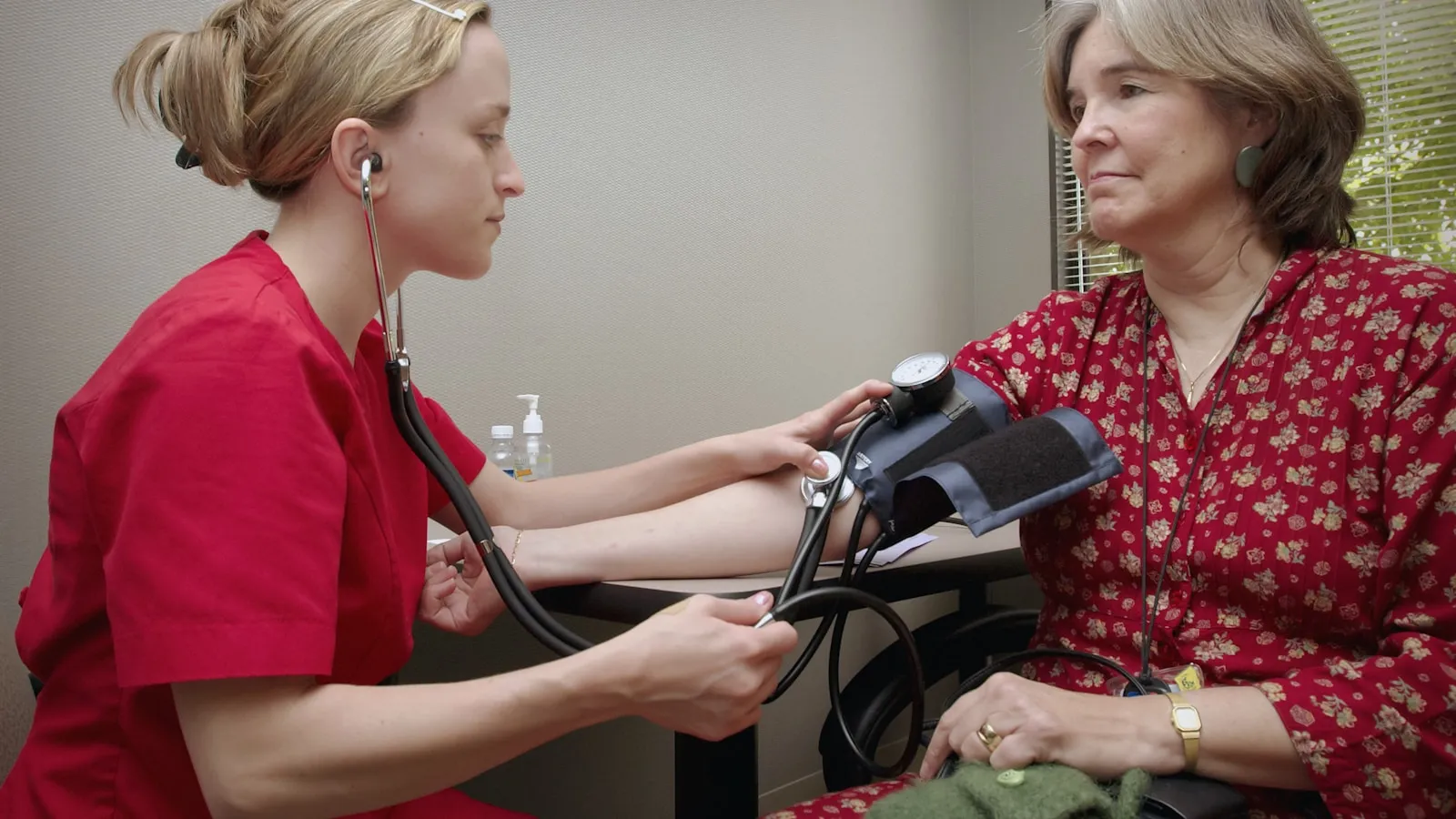
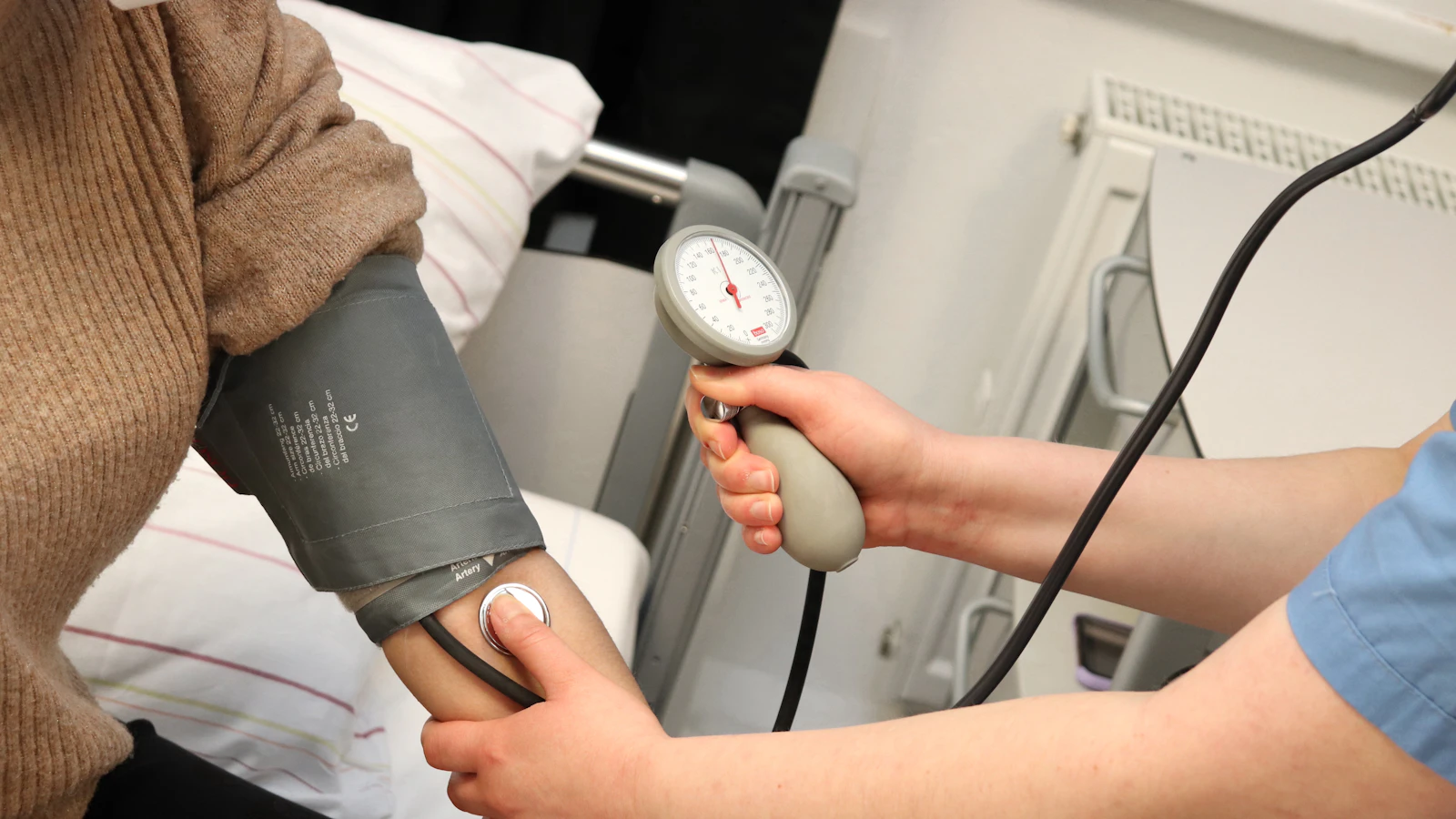
By measuring this way over several days, you get a far more reliable picture than from a single reading at the GP. Bring your notes to your appointment; your GP will be glad to use them.
When is high blood pressure a reason to act?
A single raised reading is no reason for concern. If your blood pressure stays raised over several days and measurements, for example structurally above 140/90 mmHg, it is wise to discuss this with your GP. He weighs your blood pressure together with your other risk factors and decides whether lifestyle change, a follow-up measurement or treatment is appropriate in your situation. The Dutch College of General Practitioners (NHG) advises always judging several measurements when in doubt, not just one.
What can you do about your blood pressure yourself?
You best measure your blood pressure at home or at your GP, at calm moments and preferably several times on different days. A healthy lifestyle, with attention to salt, exercise and weight, can favourably influence your blood pressure, though the effect differs from person to person.
If you want the wider picture of your heart and vessels, read how to prevent heart disease after 60 and make an initial estimate with the heart risk tool. Alongside your blood pressure, also have your cholesterol measured with the Lipid Screening, and read what a normal cholesterol value is at your age. Always discuss a raised blood pressure with your GP.
Frequently asked questions
Below are the questions we hear most often about blood pressure later in life.
Często zadawane pytania
What is a normal blood pressure for someone over 60?
Around 120/80 mmHg is favourable, above about 140/90 mmHg is raised. In older adults a calm blood pressure is often a little higher. A doctor looks at a series of measurements, not a single reading.
Why is my upper figure higher than before?
Vessels stiffen over the years, so the upper figure in particular often rises. A raised upper figure with a normal lower figure is most common in older adults and is partly a normal part of ageing.
Should I be alarmed by a high reading?
A single high reading says little. What counts is the average over several calm measurements on different days. Discuss a persistently raised blood pressure with your GP.
Can I have my blood pressure measured at Levenswijs?
No, Levenswijs does not offer blood pressure measurement. You measure that at home or at your GP. You can have the related blood values, such as cholesterol, measured with us without a referral.
Autor