You read in the paper that your heart risk can be looked up in a calculator, and you wonder what such a percentage really says about you. That is a fair question. A heart risk is not a verdict but an estimate, and it helps to know how it is produced before you react to it.
We notice many people read a heart risk as a personal prediction. In our view, a risk percentage is mainly a tool to feed the conversation with your GP, not a judgement about your health.
How do you calculate your heart risk?
You combine a few pieces of information, such as your age, sex, blood pressure, cholesterol and whether you smoke, into an estimated risk over the coming ten years. A model weighs those factors against each other. The result is an estimate for a group of people like you, not a prediction for you personally.
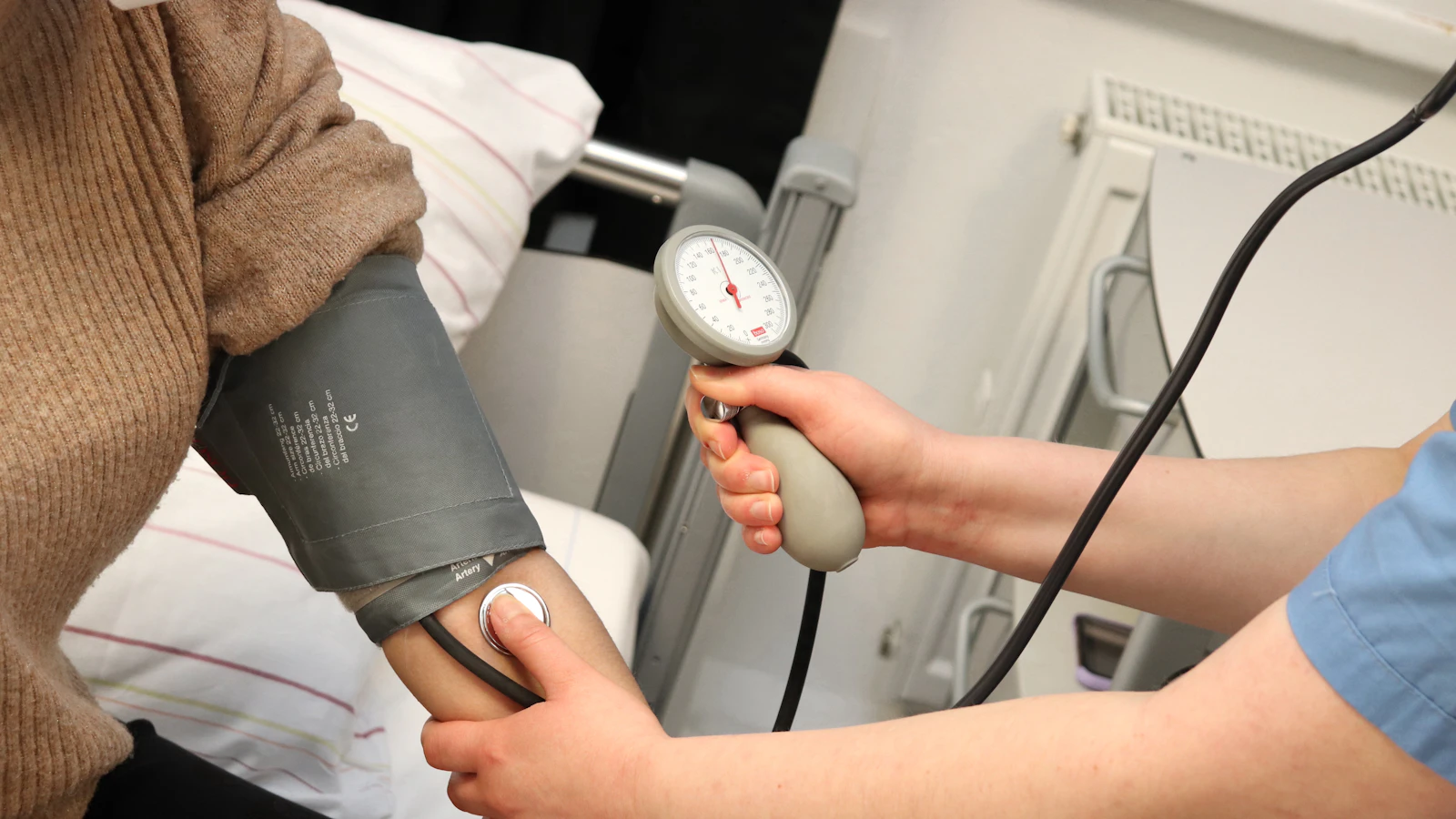
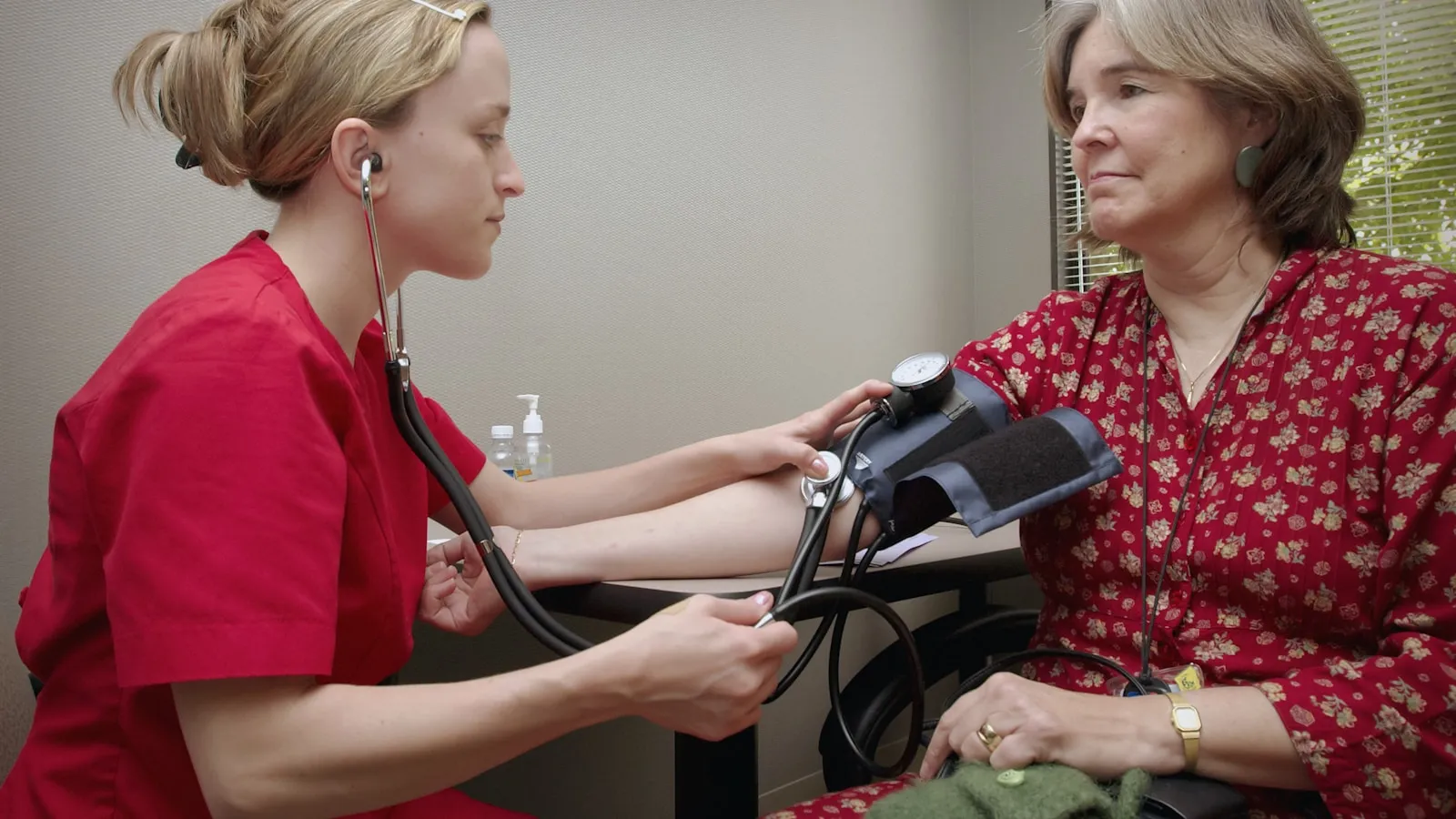
You enter the data yourself, or your GP does so during a consultation. The more accurate your data, such as an actually measured cholesterol value, the more reliable the estimate. An estimated value gives you an estimated outcome.
Bear in mind that a calculation is always a simplification of reality. Not every factor that plays a part is in a model. That is why the outcome is never a hard verdict, but a guiding number that helps you have the right conversation.
Which factors count towards your risk?
The main factors are your age, sex, blood pressure, cholesterol and smoking. Some you can influence, such as smoking and your LDL cholesterol, others you cannot, such as your age. That is exactly why it is worth getting a clear picture of the factors you do control.
| Risk factor | Why it counts | Can you influence it? |
|---|---|---|
| Age | Vessels stiffen, risk rises over the years | No |
| Blood pressure | High pressure strains heart and vessels | Partly, via lifestyle and treatment |
| LDL cholesterol | Can build up in the vessel wall over the years | Partly, via diet and treatment |
| Smoking | Damages the vessel wall and raises risk | Yes, stopping helps at any age |
| Sex | Baseline risk differs between men and women | No |
What is a risk model such as SCORE2?
SCORE2 is a European model that combines your factors into an estimated ten-year risk of cardiovascular disease. It is based on large groups of people and takes account of your age and the region where you live. For older adults there is an adapted version, because risk behaves differently at a higher age.
The Dutch College of General Practitioners (NHG) uses this kind of model in its guidelines to decide together with you whether further investigation or treatment is worthwhile. Such a model gives a direction, not a certainty.
What does your risk percentage say?
A percentage of, say, 10 percent means that of 100 people with your profile, on average 10 will have a heart or vessel problem within ten years. It says something about a group, not what will happen to you personally. A low percentage is reassuring, but no guarantee.
At a higher age a somewhat higher percentage is more usual, simply because age weighs heavily. The Dutch Heart Foundation (Hartstichting) stresses that such an outcome should always be read alongside your own situation. A high percentage is a reason to look further, not to panic.
Why your GP sometimes calculates differently than a tool
An online tool works with the data you enter yourself. Your GP often has more information: your medical history, earlier measurements, family history and any other conditions such as diabetes or kidney disease. As a result, your GP's estimate can differ from what a tool shows. That is not a contradiction, but a fuller picture.
A calculator is therefore mainly a first orientation. It helps you enter the conversation with a concrete picture, but does not replace your doctor's judgement. Feel free to take the outcome to your GP and discuss what it means in your situation.
What does a high or low risk mean for you?
A low estimated risk is reassuring, but no reason to neglect your lifestyle; the estimate can change over the years. A higher risk does not mean something inevitable is about to happen, but that it is worth looking, together with your GP, at the factors you can influence, such as smoking, weight and cholesterol. In both cases the number is a starting point for a conversation, not a final verdict.
What do you do with the outcome?
First make an initial estimate with the Levenswijs heart risk tool. The outcome is a tool, not a diagnosis. Preferably work with real values: have your cholesterol measured with the Lipid Screening, so you do not have to guess.
For the bigger picture, read how to prevent heart disease after 60 and what a normal cholesterol value is at your age. Always discuss a raised risk with your GP.
Frequently asked questions
Below are the questions we hear most often about heart risk later in life.
Często zadawane pytania
How does a tool calculate my heart risk?
A tool combines factors such as your age, sex, blood pressure, cholesterol and smoking into an estimated ten-year risk. It is an estimate for a group of people like you, not a personal prediction.
What does a risk percentage of 10 percent mean?
It means that of 100 people with your profile, on average 10 will have a heart or vessel problem within ten years. It says something about a group, not what will happen to you personally.
Is a high risk bad at my age?
At a higher age a somewhat higher percentage is usual, because age weighs heavily. It is mainly a reason to look, together with your GP, at the factors you can influence.
Do I need real blood values for the calculation?
That makes the estimate more reliable. With a measured cholesterol value you calculate more accurately than with an estimate. You can have your cholesterol measured without a referral.
Autor