A neighbour in his seventies takes a walk every morning and feels in fine health, until a check at the GP shows a raised cholesterol and a high upper figure. He had no complaints at all. That is exactly what makes cardiovascular disease so tricky: it often develops quietly, and that is precisely why it is worth knowing your values before you have symptoms.
In the Netherlands, cardiovascular disease is still among the leading causes of death, and the risk clearly rises after 60. We believe prevention later in life is not about fear, but about knowing a few numbers and acting on them in time. The good news: a large part of that risk is tied to values you can easily have measured.
What changes in your heart and vessels after 60?
Over the years the arteries become stiffer and less elastic. As a result, blood pressure rises slowly in many people, especially the upper figure. The Dutch Heart Foundation (Hartstichting) describes this gradual stiffening as a normal consequence of the vessels ageing. At the same time, the effect of a lifelong exposure to cholesterol on the vessel wall increases.
That explains why a value that seemed fine at 40 needs more attention at 65. Not because something is suddenly wrong, but because the sum of the years counts. Stiffer vessels are a normal part of ageing, and how fast it goes differs greatly from person to person.
Important to remember: getting older does not mean cardiovascular disease is inevitable. Many people reach a great age with healthy vessels. What matters is having a clear picture of the factors that count.
What exactly is artery hardening?
Artery hardening, also called atherosclerosis, is a gradual process in which fatty plaques build up in the wall of your arteries. It often starts at a young age and progresses slowly, without you noticing. Only when an artery narrows sharply, or a plaque tears, can complaints arise. That is why the sum of the years counts: the longer your vessels are exposed to unfavourable values, the further that process can run. A raised LDL cholesterol and high blood pressure speed it up, while a healthy lifestyle can slow it down.
This does not mean that an abnormality once found is irreversible. It is mainly a reason to take your influenceable factors, such as smoking, weight and cholesterol, seriously. Discuss with your GP what matters most in your situation.
Which blood values determine your risk of cardiovascular disease?
A few values together give a good picture of your heart risk: your cholesterol (especially LDL), your blood pressure and your blood sugar. It is worth knowing them, because they usually cause no symptoms yet still count towards your risk.
- LDL cholesterol: the part that can build up in the vessel wall.
- HDL cholesterol: helps remove cholesterol.
- Triglycerides: another fat in your blood, strongly tied to lifestyle.
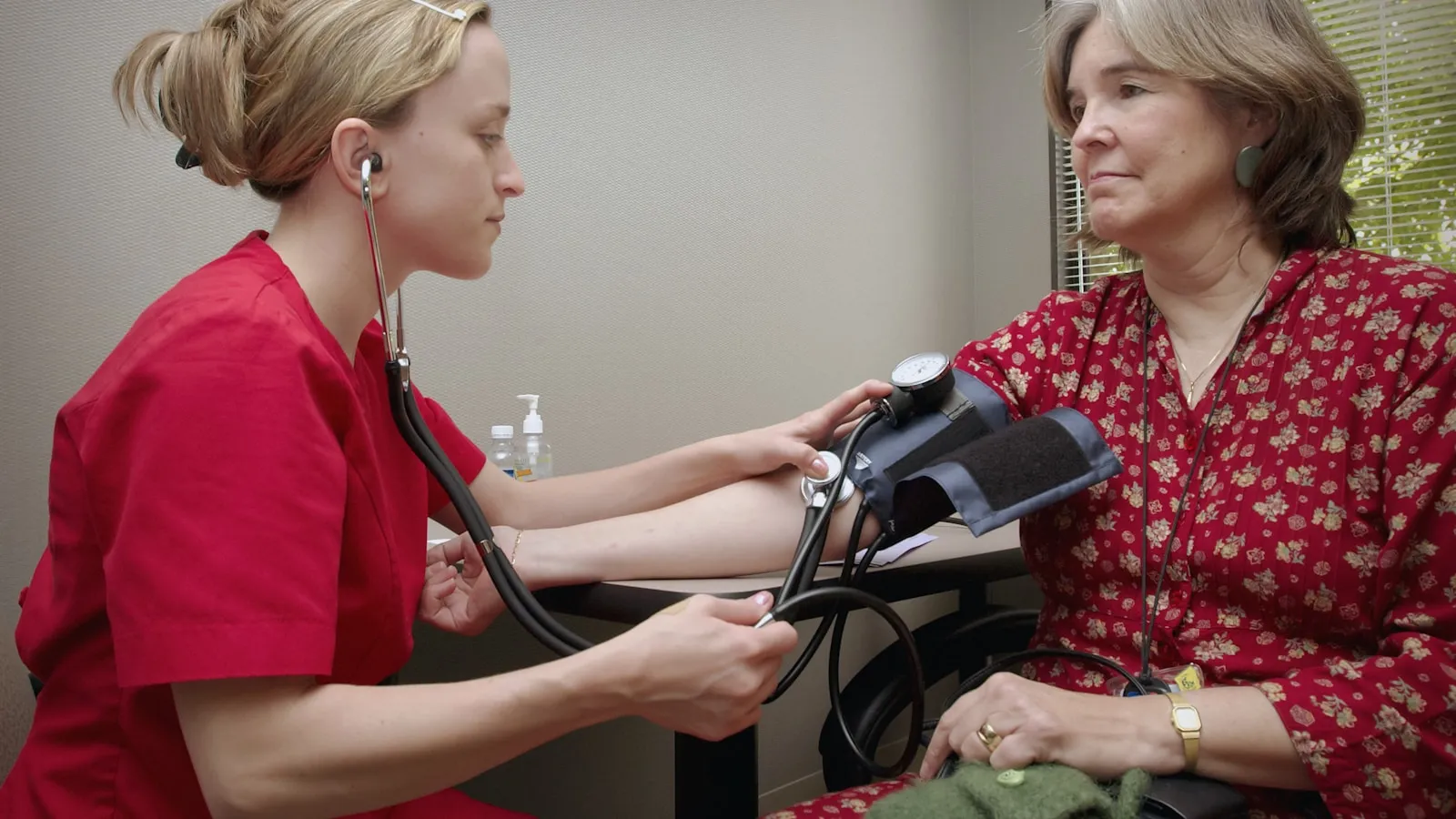
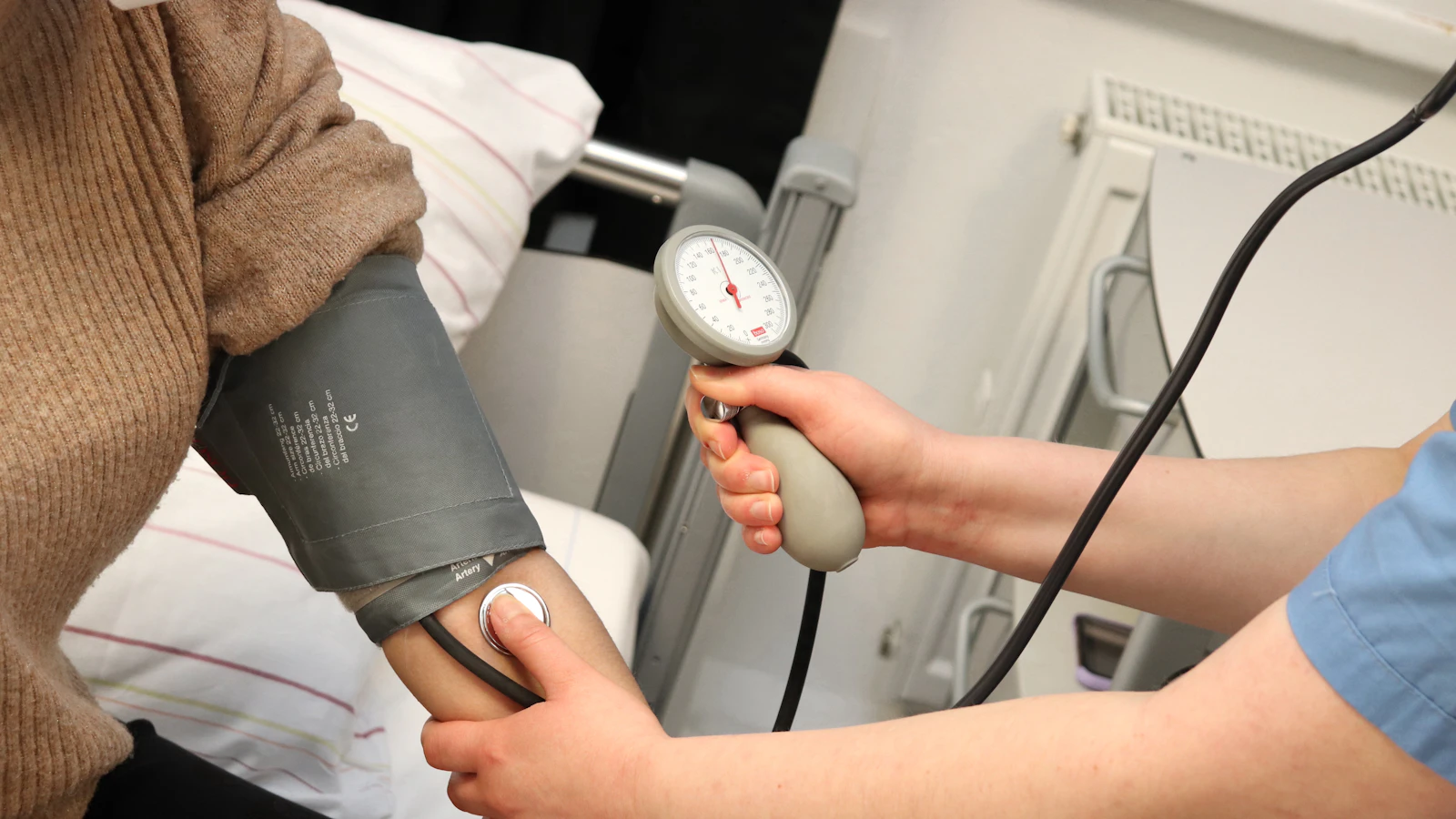
- Blood pressure: the pressure with which your heart pumps the blood (measured at home or at the GP).
- Blood sugar (HbA1c): a high blood sugar also strains the vessels over time.
You can easily have your cholesterol and triglycerides measured with the Levenswijs Lipid Screening. If you also want to include your blood sugar and kidney function, look at the Diabetes Panel. Both are available without a referral.
A single measurement is a snapshot. Only when you follow your values over time do you see whether anything is changing. An LDL that clearly rises over two years deserves more attention than a value that stays stable, even if that one is somewhat higher in itself. We therefore recommend recording your baseline values and repeating them after a while, especially if you have adjusted your lifestyle and want to see whether it has an effect.
What role does your family history play?
If cardiovascular disease occurs at a young age in your close family, for example a parent or sibling who had a heart attack or stroke before 65, your own risk may be higher. That does not mean you will follow the same path, but it is a reason to keep an extra eye on your influenceable factors. Sometimes an inherited form of raised cholesterol plays a part, one that shows up at a younger age.
So tell your GP what runs in your family. That information helps to estimate your risk better and to decide which checks are worthwhile for you. Family history is something you cannot change, but it is something you can take into account.
How large is your risk of cardiovascular disease?
Your risk does not depend on a single value, but on the combination: age, sex, blood pressure, cholesterol and whether you smoke. Risk models bring those factors together in an estimate for the coming ten years. The Dutch College of General Practitioners (NHG) uses such models in its guidelines to decide together with you whether further investigation or treatment is worthwhile. Age always weighs heavily.
With the Levenswijs heart risk calculator you get a first impression of your own risk factors. The outcome is a tool, not a diagnosis. Also read how to calculate your heart risk and what a risk percentage does and does not say.
| Risk factor | Why it counts | What you can do | Useful check |
|---|---|---|---|
| High blood pressure | Strains heart and vessels | Move, limit salt, measure regularly | At home or at the GP |
| High LDL cholesterol | Contributes to artery hardening over the years | Adjust diet, discuss with GP | Lipid Screening |
| High blood sugar | Damages the vessels over time | Watch weight and diet, have HbA1c measured | Diabetes Panel |
| Smoking | Strongly speeds up vessel damage | Stopping helps at any age | GP or stop-smoking support |
| Little exercise | Raises several risks at once | Aim for daily movement | Lifestyle, no test needed |
Persistent misconceptions about heart and vessels with age
Around heart and vessel health, many persistent ideas live on that are not always correct. A few we often come across:
- "I feel well, so my heart is healthy." Unfortunately, raised cholesterol and high blood pressure usually cause no complaints. You can feel perfectly well while your values need attention. That is why a measurement is valuable, precisely when you feel good.
- "At my age it no longer makes a difference." The opposite is true. Stopping smoking, moving more and watching your cholesterol have an effect at any age, including after 70.
- "Cholesterol is simply bad." Cholesterol is a necessary substance. It is about the balance: a low LDL and a somewhat higher HDL are more favourable than the other way round.
- "You notice high blood pressure by yourself." High blood pressure often causes no complaints for years. Measuring is the only way to be sure.
By letting go of these misconceptions, you can look at your own health more calmly and purposefully. Not from fear, but from insight.
Which complaints can point to a heart or vessel problem?
Because cardiovascular disease often develops quietly, there are no complaints for a long time. Still, there are signals worth taking seriously. Pain or a pressing feeling in the chest, especially on exertion, breathlessness that is unusual for you, pain radiating to the arm, jaw or back, or sudden dizziness can point to a heart or vessel problem. An unexplained tiredness or swollen ankles can also be a reason to make contact.
Important: with sudden, severe chest pain, weakness in an arm or leg, or a drooping mouth, call the emergency number straight away. These can be signs of a heart attack or stroke, and then every minute counts. For less acute but persistent complaints, contact your GP. If in doubt, rather call once too often than too little.
What can you do yourself to prevent cardiovascular disease?
Much of what helps is simple and costs nothing. Moving daily, not smoking, being moderate with salt and alcohol, and watching your weight can together make a noticeable difference to your heart risk. These habits work at any age, including after 70.
Diet also plays a part. The Netherlands Nutrition Centre (Voedingscentrum) advises a pattern with plenty of vegetables, fruit, wholegrain products and fish, and restraint with salt and saturated fat. That suits a healthy heart well, though the effect differs from person to person.
Start small. Half an hour of brisk walking a day is a feasible start for most people. You do not have to turn your life upside down to relieve your vessels; small, sustained steps add up over the long term.
Practical steps you can take today
Many people find it hard to know where to begin. A few concrete handholds:
- Move daily. Aim for at least half an hour of moderately intensive movement a day, such as brisk walking, cycling or gardening. This need not be in one go; three times ten minutes also counts.
- Watch the salt. A lot of salt is hidden in bread, ready meals and savoury snacks. Less salt can noticeably lower blood pressure in some people.
- Stop smoking. Stopping helps at any age, and the effect is often measurable within a few months. Your GP can refer you to stop-smoking support.
- Be moderate with alcohol. The Netherlands Nutrition Centre (Voedingscentrum) advises drinking no or little alcohol; for your heart and vessels, the less the better.
- Keep an eye on your weight. Excess weight strains heart, vessels and blood sugar at the same time. A few kilos less can already make a difference.
Nobody does all of this perfectly, and that is fine. Choose one habit to start with and build up calmly. It is about the long line, not one perfect week.
When should you have your heart values checked?
A good moment is when you do not yet know your baseline values, or when cardiovascular disease runs in your family. You can have your cholesterol checked without first getting a referral, and you measure your blood pressure at home or at the GP. That way you know where you stand and can adjust something in time.
If you want to understand the bigger picture first, read what a normal cholesterol value is after 60 and what a normal blood pressure is for people over 60. After that you can choose specifically what to have measured.
Our advice: do not wait for symptoms. Cardiovascular disease often develops quietly, and that is exactly why a calm measurement is valuable. Always discuss an out-of-range result with your GP. A blood test is a tool to gain early insight, not a replacement for your doctor's judgement.
How often should you have your values checked?
There is no fixed schedule that fits everyone. If you feel well and your values are favourable, a check every few years is enough for many people over 60. If you have raised values, cardiovascular disease in the family, or you are just adjusting your lifestyle, measuring more often can be worthwhile to see whether a change has an effect. Your GP can advise you on a rhythm that suits your situation.
At Levenswijs you can have a measurement done in between, without a referral, for example to see whether a change in your diet or exercise has favourably influenced your cholesterol. The result is reviewed by a doctor registered in the Dutch BIG register, and for treatment decisions your GP remains your point of contact.
One reassurance to close with: a single raised result rarely means something has to happen straight away. It is a starting point for a conversation, in which you look together with your GP at what is sensible in your case. Gaining insight into your heart and vessels is not a reason for concern, but a way to calmly stay in charge of your own health.
Preventing cardiovascular disease is therefore not about perfection or fear of every number. It is about knowing a few values, following them over time, and taking the steps that suit you in consultation with your GP. At your own pace, and with the certainty that you know where you stand.
Frequently asked questions
Below are the questions we hear most often about cardiovascular disease later in life.
Często zadawane pytania
Which blood values matter for my heart after 60?
Especially your cholesterol (LDL and HDL), your triglycerides, your blood pressure and your blood sugar (HbA1c). Together they give a good picture of your heart risk and usually cause no symptoms.
Can I still do something about my heart risk at my age?
Yes. Exercise, not smoking, being moderate with salt and alcohol, and watching your weight work at any age, including after 70. Small, sustained steps add up over the long term.
Should I wait for symptoms before testing?
Preferably not. Cardiovascular disease often develops quietly, without symptoms. A calm measurement shows where you stand, so you can adjust something in time in consultation with your GP.
Do I need a referral to have my heart values measured?
Not for your cholesterol: at Levenswijs you can have that measured without a referral. You measure your blood pressure at home or at the GP. The result is reviewed by a doctor registered in the Dutch BIG register.
Autor