Fatty liver, in the newer term MASLD, means there is too much fat in the liver cells. It is common after 60 and usually causes no symptoms. A blood test can give an early signal, but does not make the diagnosis on its own.
Many people are alarmed by the word, while there is in fact a lot you can do yourself. Below you will calmly read what it means and what role your blood plays. Fatty liver is moreover not a rare exception, but one of the most common liver conditions later in life. The good news is that the liver has a lot of resilience, and small, sustainable changes often already make a difference.
What is fatty liver (MASLD)?
Fatty liver means fat is stored in the liver cells. The abbreviation MASLD stands for the form linked to metabolism, such as overweight, high blood sugar and high cholesterol. In an early stage, fatty liver can often be influenced well with lifestyle.
Why is it more common after 60?
With the years, the chance of overweight, diabetes and unfavourable cholesterol rises, and these are linked to fatty liver. Research shows that fatty liver is common in older adults. An Australian study in people aged 70 and over found fatty liver in roughly one third.
That does not mean it is inevitable. Many older adults keep a healthy liver, and even later in life attention to diet and exercise helps.
What role does a blood test play?
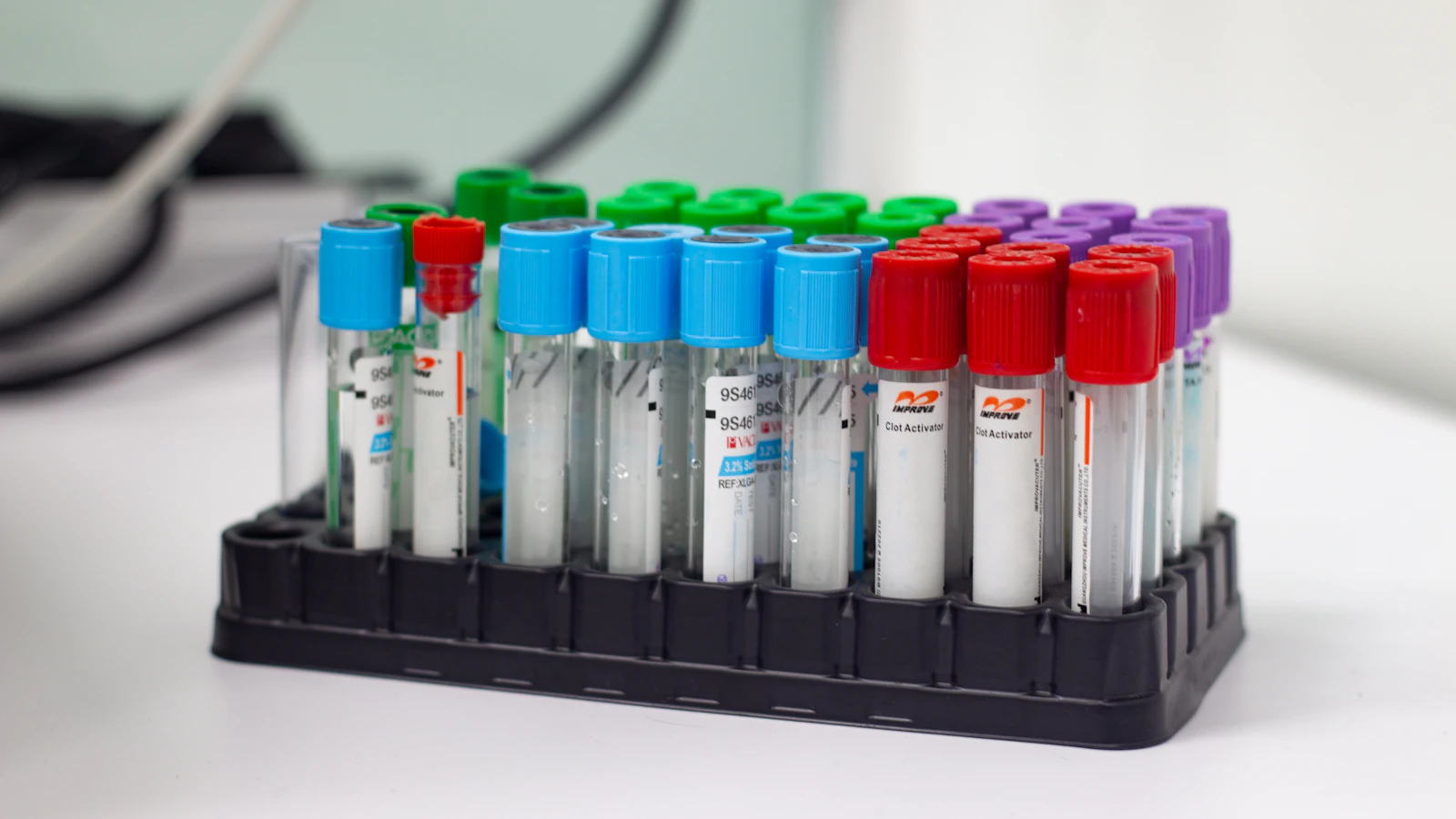
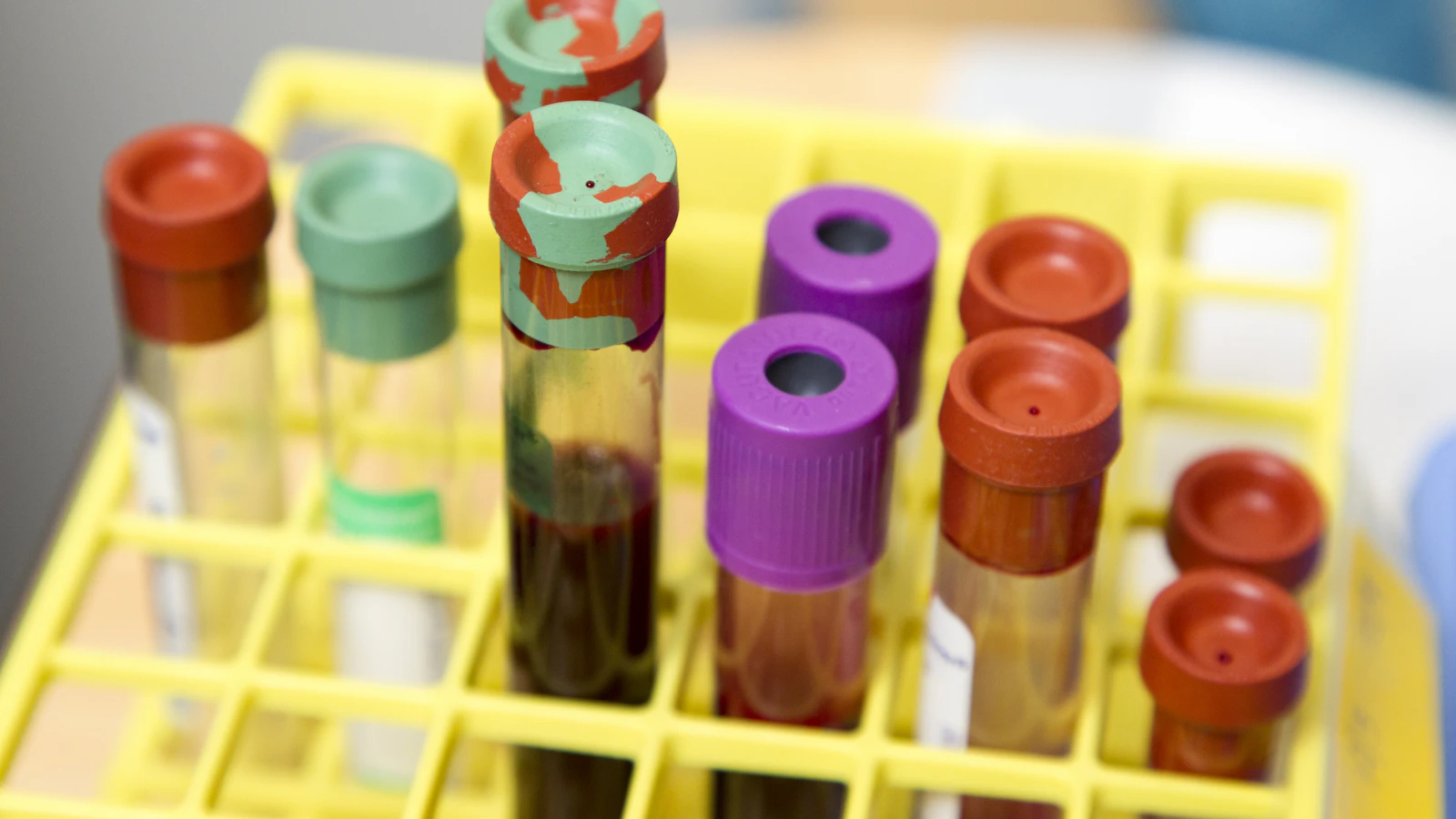
A blood test can give an early signal, for example through a mildly raised ALAT or gamma-GT, but it cannot prove or rule out fatty liver. Sometimes the liver values are even normal while fatty liver is present. That is why a doctor combines the blood picture with your weight, blood sugar and cholesterol.
| Test | What it shows |
|---|---|
| Liver values (ALAT, gamma-GT) | Possible signal, not proof |
| Blood sugar and cholesterol | Related metabolic risks |
| Liver ultrasound | Imaging, via your GP or specialist |
The full picture belongs with your doctor. More explanation of the individual values is in our overview of liver values after 60 and at elevated liver values.
What can you do yourself?
With fatty liver, the gain from lifestyle is often the greatest. The Dutch Voedingscentrum advises plenty of vegetables, wholegrain products and daily exercise, and with overweight, losing a few kilos can already help. Because fatty liver is linked to metabolism, it also helps to keep an eye on your blood sugar.
To see that bigger picture, read how you prevent and recognise type 2 diabetes after 60. None of this is a guarantee, but with early fatty liver there is often a lot that can be done.
What symptoms does fatty liver cause?
Fatty liver in most cases causes no symptoms, certainly at an early stage. Sometimes there is vague fatigue or a pressing feeling in the upper right of the abdomen, but many people notice nothing. That is exactly why fatty liver is often discovered by chance, for example through a mildly raised liver value or an ultrasound done for another reason.
The absence of symptoms does not mean nothing can be done. Early action with lifestyle often has the most effect.
Can fatty liver recover?
Yes, at an early stage fatty liver can partly or fully recover. The liver has a large capacity to repair, and with weight loss and more exercise the amount of fat in the liver often decreases. Research shows that even a modest weight loss of a few percent can already be beneficial.
The earlier you address it, the greater the chance of recovery. That is why an early signal from your blood or an ultrasound is valuable, even though it does not make the diagnosis on its own.
How is fatty liver linked to diabetes?
Fatty liver and type 2 diabetes share the same background: a disturbed metabolism, often with overweight and insulin resistance. Someone with fatty liver has a higher chance of high blood sugar, and the other way around. That is why, with fatty liver, a doctor likes to also look at your blood sugar and cholesterol.
Attention to one often helps the other. The same lifestyle steps that spare the liver also lower your risk of diabetes.
Would you like to have your liver values checked at a calm moment? At Levenswijs Health you can, without a referral. Your result is reviewed by a BIG-registered doctor. A blood test does not provide a diagnosis. For treatment decisions, always discuss your results with your GP.
References
- Recent advances in age-related metabolic dysfunction-associated steatotic liver disease. World Journal of Gastroenterology. 2024;30(7):652-662.
- Kwo PY, Cohen SM, Lim JK. ACG Clinical Guideline: Evaluation of Abnormal Liver Chemistries. American Journal of Gastroenterology. 2017;112(1):18-35.
- Voedingscentrum, Maag Lever Darm Stichting and Thuisarts.nl, accessed 2026.
الكاتب