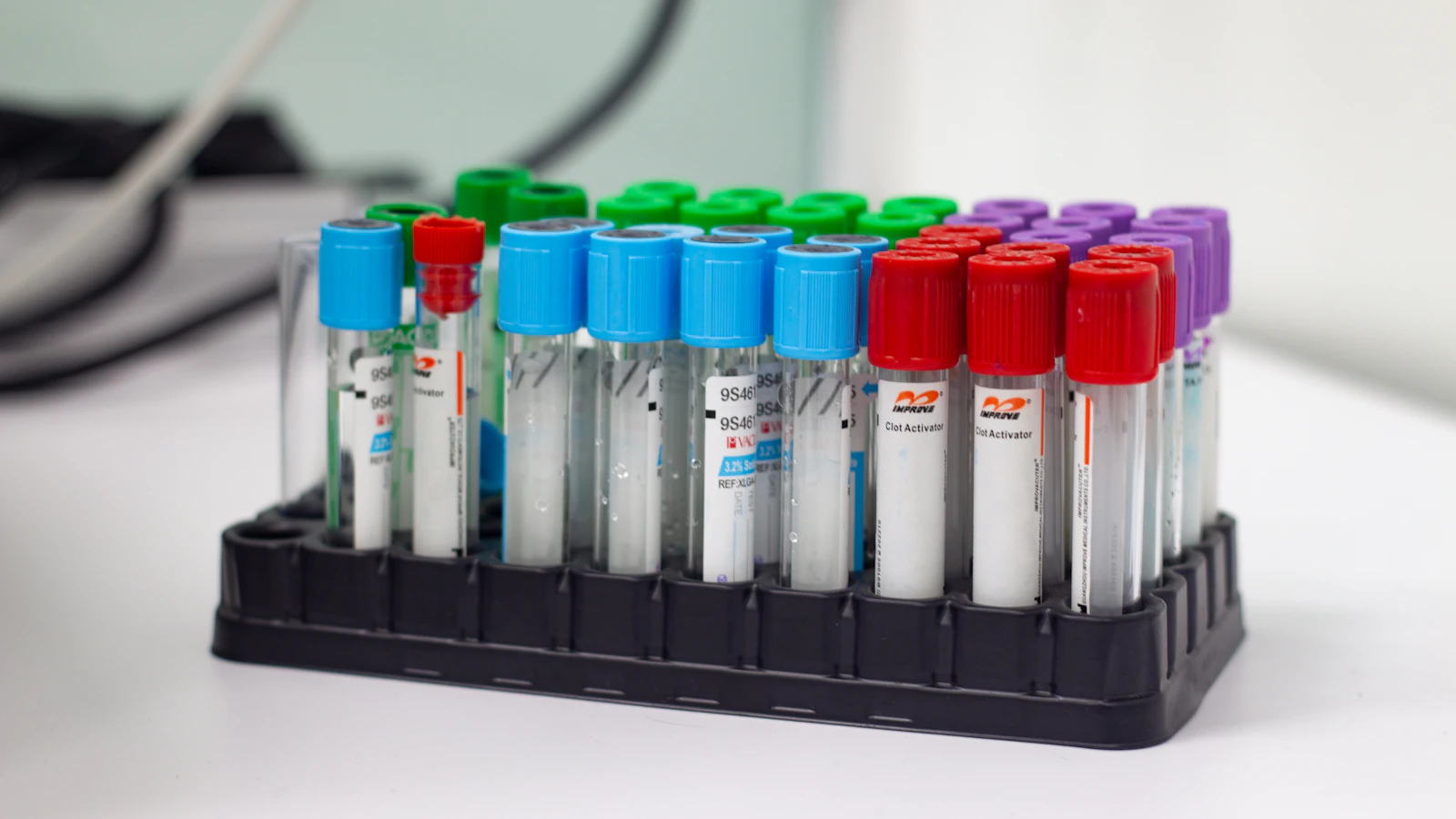
A 68-year-old man had his blood drawn with us and was startled by a slightly raised gamma-GT. He barely drank alcohol and felt fine. Still, that one number kept playing on his mind. Liver values such as ALAT, ASAT and gamma-GT say something about how your liver is doing, but a single value just above the line rarely means illness straight away.
My experience after many of these conversations: the overall picture says more than a single number. In this article you will calmly read what each liver value means after 60.
What does your liver actually do?
Your liver is a workhorse. The organ breaks down waste, alcohol and medicines, makes proteins and helps digest fat. Because so many processes run through the liver, a blood test can often give an early signal when the liver is under more strain.
The liver has a large reserve and can partly repair itself. That is why a mildly burdened liver usually causes few symptoms. It is exactly this that makes a measurement useful: it shows something before you notice anything.

Which liver values does a blood test measure?
A liver test consists of a handful of values that together form a picture. The best known are the liver enzymes ALAT, ASAT and gamma-GT, supplemented by alkaline phosphatase, bilirubin and albumin. A doctor never looks at one value alone, but at the pattern of all values together.
| Liver value | What it mainly reflects | What an abnormality can mean |
|---|---|---|
| ALAT | Enzyme mainly in liver cells | Often a sign of irritation of the liver itself |
| ASAT | Enzyme in liver, but also muscle and heart | Less specific; assessed together with ALAT |
| Gamma-GT | Enzyme sensitive to alcohol and medicines | Rises with alcohol, medication or fatty liver |
| Alkaline phosphatase | Enzyme from liver and bone | Can point to bile or bone issues |
| Bilirubin | Breakdown product, gives bile its colour | High can mean jaundice or bile-flow problems |
| Albumin | Protein the liver makes | Low can reflect longer-term liver strain |
The exact reference ranges are always on your lab report and can differ slightly per laboratory. This table is a reading aid, not a diagnosis.
What does ALAT mean?
ALAT (alanine aminotransferase) sits mainly in your liver cells. When those cells become irritated, some ALAT leaks into the blood. A raised ALAT therefore often fits with irritation of the liver itself, for example from fatty liver, medicines or alcohol.
According to the international guideline on abnormal liver values, ALAT is the most specific value for the liver. A mildly raised result is common and need not worry you, but does deserve attention if it persists.
What does ASAT mean?
ASAT (aspartate aminotransferase) sits not only in the liver but also in your muscles and heart. That makes ASAT less specific than ALAT. A raised ASAT can therefore also come from heavy exercise or a muscle problem, and not only from the liver.
That is why a doctor looks at the ratio between ASAT and ALAT. That pattern often says more than each value separately. A one-off raised ASAT after vigorous exercise is usually harmless.
What does gamma-GT mean?
Gamma-GT is an enzyme that reacts sensitively to alcohol and to certain medicines. Normally the value in the blood is low. A mildly raised gamma-GT often relates to alcohol use, medication or fatty liver, and by no means always to a serious illness.
Because gamma-GT is so sensitive, people are sometimes needlessly alarmed by it. It is mainly a signal to look at the possible cause together with your GP. To go deeper on a high result, also read what elevated liver values can cause.
What do bilirubin, albumin and alkaline phosphatase say?
These three values complete the picture. Bilirubin is a breakdown product that gives bile its colour; a high value can fit with jaundice or bile-flow problems. Albumin is a protein the liver makes itself, and a low value can reflect longer-term liver strain. Alkaline phosphatase comes from the liver and the bones.
A doctor uses these values to distinguish between irritation of the liver cells and a problem with bile flow. According to the Dutch Maag Lever Darm Stichting, the final interpretation always belongs with a doctor, who also takes your symptoms and medication use into account.
Do liver values change with age?
The liver values themselves usually do not change dramatically after 60. What does change is the context: older adults more often use several medicines at once, and fatty liver becomes more common later in life. As a result, a doctor sees a mildly abnormal value somewhat more often in people over 60.
A mildly raised value is therefore not automatically part of ageing, but also not a reason to panic. The right question is usually: is there an explainable cause, and does the value stay raised? As with your other blood values after 60, it is mainly the trend over time that counts.
What can cause elevated liver values?
The most common causes of mildly raised liver values are fatty liver, alcohol and medicines. Less often, viral hepatitis, bile problems or a muscle cause play a role. In older adults, the combination of several medicines is an important and treatable factor to investigate.
- Fatty liver: often linked to overweight, diabetes and cholesterol. Read more about fatty liver after 60.
- Medicines: some commonly used drugs can affect liver values. See medication and your liver.
- Alcohol: even moderate use can raise gamma-GT.
Which cause fits you is assessed by your GP. Sometimes a repeat measurement after a few weeks is enough to see whether the value drops by itself.
When should you have your liver values checked?
A check can be worthwhile if you use certain medicines long term, if you are concerned about alcohol, or if you have risk factors for fatty liver such as overweight or diabetes. Without symptoms or risk, measuring once a year or every two years is usually enough.
| Situation | Rough guideline |
|---|---|
| No symptoms or risk | Included periodically in a general check |
| Long-term medication use | Follow more often, with your GP |
| Risk of fatty liver | Discuss a targeted check with your GP |
The right frequency is something you decide together with your GP. This table is a rough guide, not medical advice.
How do you have your liver values measured?
You can have your liver values measured through a blood test, without needing symptoms first. At Levenswijs Health you have your blood drawn at a calm moment, after which a doctor reviews your result. To learn more about the individual values first, see our pages on ALAT, ASAT and gamma-GT.
My advice stays the same: know your baseline and follow it over time. You always discuss an abnormal result with your GP, possibly with the help of the explanations on Thuisarts.nl.
Which symptoms fit a liver problem?
The liver does not always cause symptoms, certainly not at an early stage. When there are signals, they can be vague: persistent fatigue, a pressing feeling in the upper right of the abdomen, reduced appetite or a yellowing of the skin and the whites of the eyes. These symptoms can also have causes other than the liver.
If you recognise such signals, discuss them with your GP. Precisely because symptoms often come late, a blood test can show something a little earlier than how you feel.
Do you need to fast for a liver test?
For most liver values you do not need to fast. Laboratories sometimes still ask for it when they measure your blood sugar or cholesterol at the same time. If in doubt, check your appointment confirmation or ask, so you do not fast for nothing or have to repeat a measurement.
Preferably plan the draw at a calm moment, for example in the morning. Drinking water is fine, as being well hydrated makes the draw easier.
What is the difference between liver enzymes and liver function?
Liver enzymes such as ALAT, ASAT and gamma-GT mainly say something about irritation or damage of the liver cells. The actual liver function, meaning how well the liver does its work, a doctor reads more from values such as albumin and clotting time. That distinction matters: you can have mildly raised enzymes while your liver function is fine.
That is why a doctor often reassures that raised enzymes are not the same as a poorly working liver. One sometimes needs further checking, the other is a separate question.
How do you read your lab report?
Your lab report shows your result for each value next to the laboratory reference range. A value just outside that range is usually flagged, but does not automatically mean a problem. How far a value lies outside the range, and whether several values deviate at once, often says more than a single flag.
Where possible, compare your result with an earlier measurement. A stable, mildly raised value is different from a value that clearly rises in a short time. For questions, the explanations on Thuisarts.nl help, and of course your GP.
What happens with a persistently raised value?
If a liver value stays raised on a repeat measurement, your GP looks specifically for the cause. That often starts with a conversation about your medicines, alcohol and lifestyle, followed by additional blood tests or a liver ultrasound. Sometimes the GP refers you to an internist or a gastroenterologist and liver specialist.
This sounds more drastic than it usually is. In many people the doctor finds a well-explainable cause that can be influenced with lifestyle or an adjustment of medication. The Dutch Maag Lever Darm Stichting also describes these steps for patients.
How do you keep your liver healthy after 60?
You can do a lot yourself to spare your liver. Limit alcohol, aim for a healthy weight, move daily and be careful with high doses of paracetamol or unknown supplements. The Dutch Voedingscentrum advises plenty of vegetables, wholegrain products and moderation with alcohol, which also benefits your liver.
A healthy lifestyle is no guarantee, but with the liver the gain is often noticeable. Many people see a mildly raised value drop after a few months of small, sustainable changes.
How common is an abnormal liver value?
A mildly abnormal liver value is more common than many people think. At a general check, a share of people without symptoms have a value just outside the range, often due to fatty liver, alcohol or medicines. That is exactly why a doctor assesses a single abnormality calmly and does not immediately think of a serious illness.
More important than how common it is, is what a value means for you. An abnormality in someone with overweight and diabetes calls for a different judgement than the same value in someone who has just exercised hard. The Dutch Maag Lever Darm Stichting stresses that the context always counts.
Frequently asked questions about liver values
Can I have my liver values measured myself without a GP? Yes, at Levenswijs Health you can have your liver values checked without a referral. A doctor reviews the result, but for the interpretation and any next steps your GP remains the point of contact.
Are mildly raised liver values dangerous? Usually not. A mild rise often has an innocent cause and regularly drops by itself. If the value stays raised, further checking is wise.
How quickly do liver values recover? That depends on the cause. If the strain stops, for example through less alcohol or adjusting a medicine in consultation with your doctor, the values often drop within a few weeks to months.
Would you like to have your liver values checked at a calm moment? At Levenswijs Health you can, without a referral. Your result is reviewed by a BIG-registered doctor. A blood test does not provide a diagnosis. For treatment decisions, always discuss your results with your GP.
References
- Kwo PY, Cohen SM, Lim JK. ACG Clinical Guideline: Evaluation of Abnormal Liver Chemistries. American Journal of Gastroenterology. 2017;112(1):18-35.
- Russo MW, Scobey M, Bonkovsky HL. Drug-induced liver injury associated with statins. Seminars in Liver Disease. 2009;29(4):412-422.
- Recent advances in age-related metabolic dysfunction-associated steatotic liver disease. World Journal of Gastroenterology. 2024;30(7):652-662.
- Maag Lever Darm Stichting and Thuisarts.nl, accessed 2026.
Author