Yes, some medicines can affect your liver values, because the liver breaks down many drugs. In most people this has no consequences, but with long-term use or several drugs at once, a check is sometimes wise. Serious liver damage from medicines is fortunately rare.
After my own 60th birthday I notice it too: more pills often get added. That is exactly when it helps to know how medicines and your liver relate. Most people use their medicines for years without any problem for the liver, but it pays to know what to watch for and when a check is worthwhile.
How do medicines affect your liver?
The liver breaks down most medicines. During that work the liver can sometimes become temporarily more strained, which shows as a mildly raised ALAT or gamma-GT. Usually this is mild and without symptoms. A doctor assesses whether a rise fits your medicine or whether further investigation is needed.
Which commonly used medicines play a role?
Several commonly used drugs can affect liver values. Cholesterol-lowering statins cause a mild, often transient rise in ALAT in roughly 1 to 3 percent of users, while serious liver damage is rare. Paracetamol too can strain the liver with prolonged high use or combined with alcohol.
| Type of medicine | What is known |
|---|---|
| Statins (cholesterol) | Mild, often temporary ALAT rise; serious damage rare |
| Paracetamol | Safe at normal use; risk at high dose or with alcohol |
| Some antibiotics | Can temporarily raise liver values |
| Certain herbs and supplements | These too can strain the liver |
Never stop a prescribed medicine on your own based on a result. Always discuss any doubts first with your GP or pharmacist.
Why does polypharmacy need extra attention after 60?
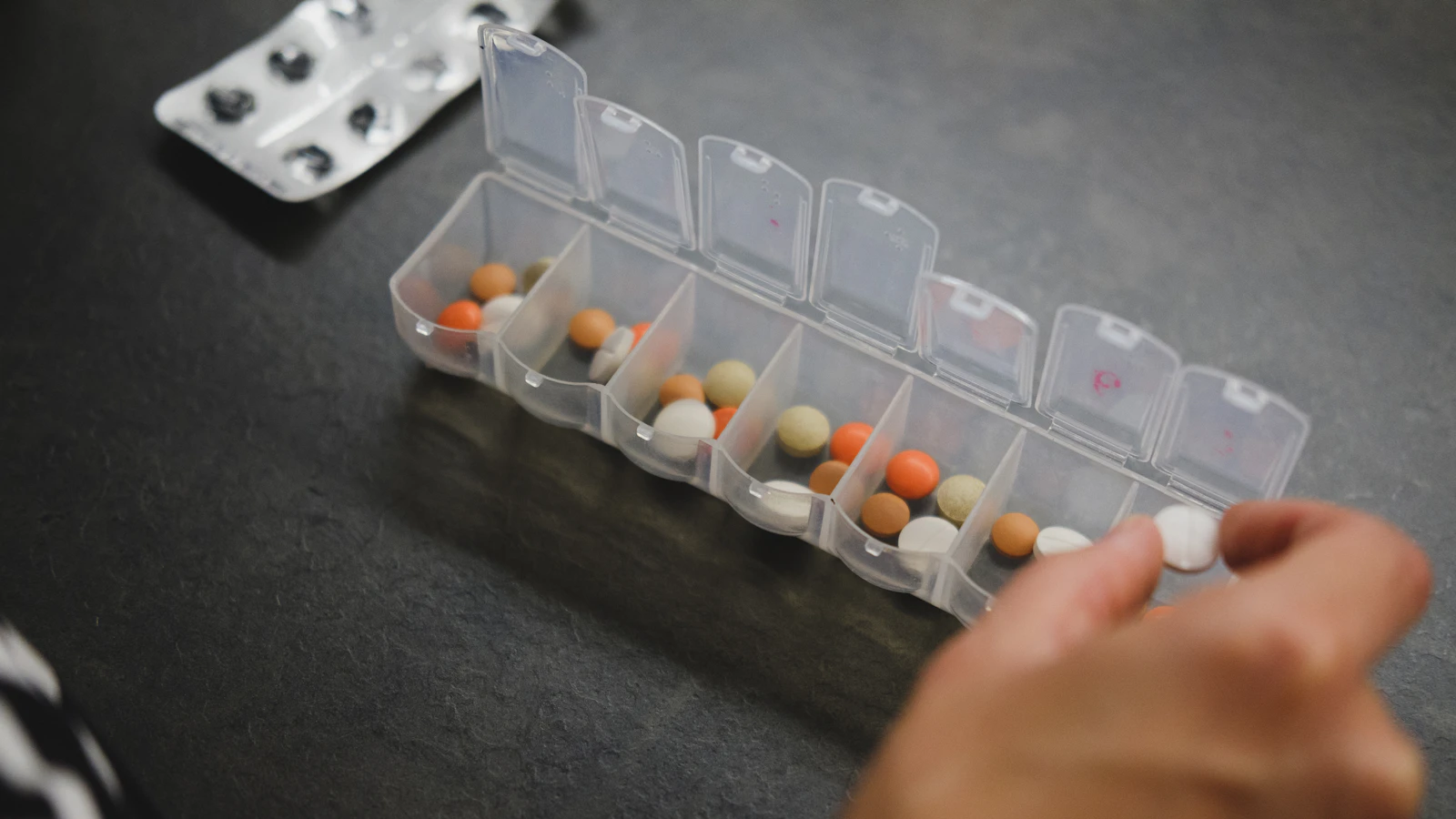
Polypharmacy means you use several medicines at once, something that is more common after 60. The more drugs, the greater the chance they affect each other or together strain the liver and kidneys. That is why a doctor often reviews the whole medication list in older adults.
This consideration is not only about the liver. Also read why people over 60 should know their kidney function and eGFR, because liver and kidneys work together to break down medicines.
When should you have your liver values checked?
A check can be worthwhile when starting a new medicine that can strain the liver, with long-term use of several drugs, or if you have symptoms. The Dutch NHG guidelines that GPs follow indicate that routine checks are not always needed, but targeted measurement in case of risk is.
For the broader picture, read our overview of liver values after 60 or see when elevated liver values need attention. The value ALAT is often the first to stand out.
Should you stop your medicine if liver values are raised?
No, never stop a prescribed medicine on your own based on a result. A mildly raised value is often no reason to stop, and stopping suddenly can do more harm than good. Your doctor weighs the benefit of the medicine against its effect on your liver and adjusts the dose or the drug if needed.
Always discuss any doubts with your GP or pharmacist. They know your full medication list and can judge which drug may play a role.
Do the liver and kidneys work together for medicines?
Yes. The liver breaks down many medicines, and the kidneys remove the breakdown products. If either works less well, a medicine can build up in the body. That is why, in older adults, a doctor often looks at liver and kidneys together before deciding a dose.
To understand the kidney side better, read why people over 60 should know their eGFR.
What can you do yourself to spare your liver?
You can help your liver by handling medicines carefully. Keep an up-to-date medication list, do not use paracetamol longer or at a higher dose than needed, and be careful with unknown herbs and supplements. Moderation with alcohol also helps, because alcohol and medicines together place a heavier load on the liver.
An annual medication review with your pharmacist is worthwhile after 60. That keeps your list clear and makes it easier to spot when drugs can affect each other.
Would you like to have your liver values checked at a calm moment? At Levenswijs Health you can, without a referral. Your result is reviewed by a BIG-registered doctor. A blood test does not provide a diagnosis. For treatment decisions, always discuss your results with your GP.
References
- Russo MW, Scobey M, Bonkovsky HL. Drug-induced liver injury associated with statins. Seminars in Liver Disease. 2009;29(4):412-422.
- Kwo PY, Cohen SM, Lim JK. ACG Clinical Guideline: Evaluation of Abnormal Liver Chemistries. American Journal of Gastroenterology. 2017;112(1):18-35.
- NHG and Thuisarts.nl, accessed 2026.
Author