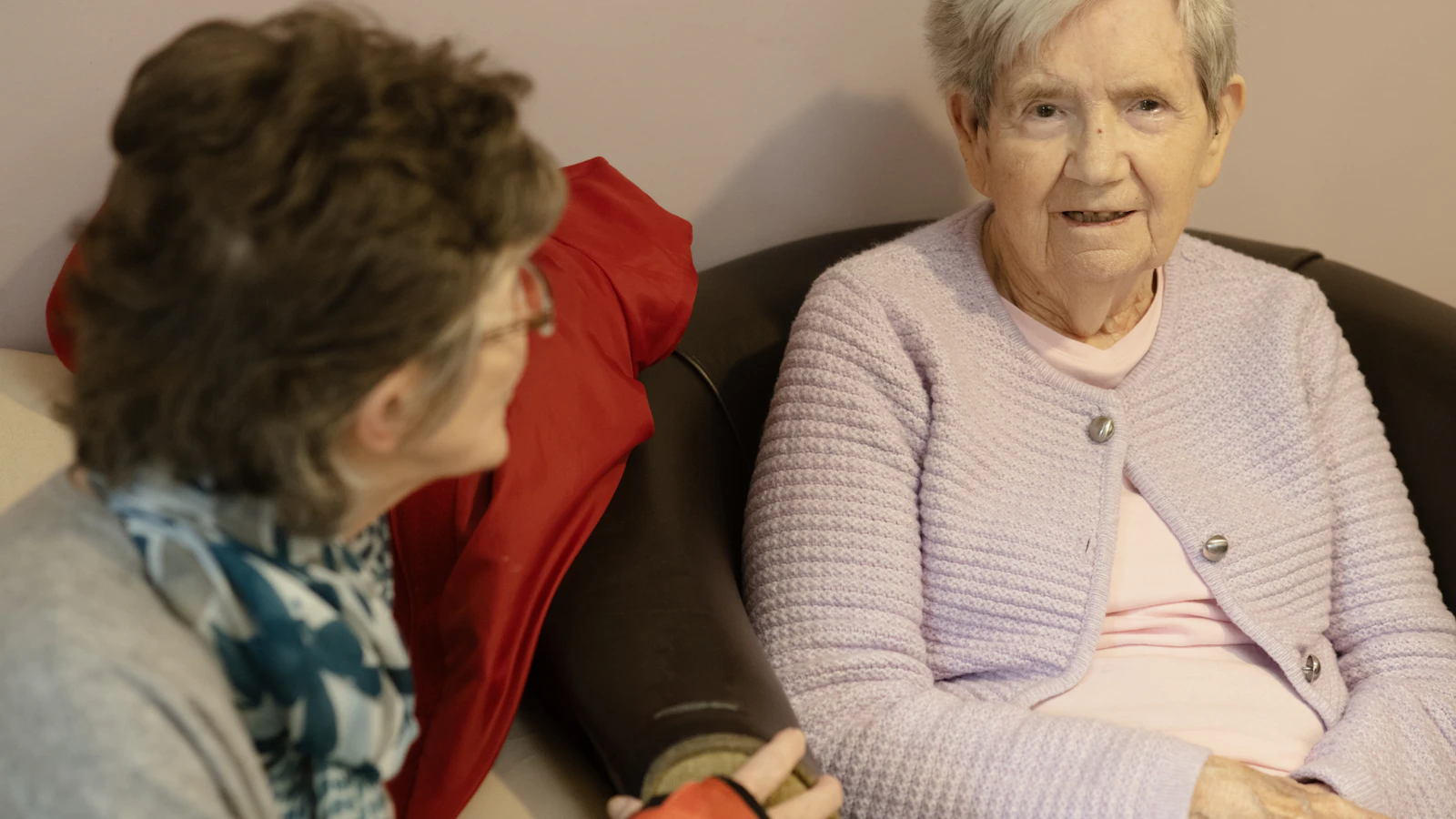
Mrs De Vries (78) used to climb the stairs without a second thought. Now she pauses halfway to catch her breath. "It's just my age," she says. Maybe. But maybe not. In older adults, tiredness and breathlessness are written off as ageing remarkably quickly, while sometimes there is a cause behind it that is easy to find: anaemia.
My view, after seeing many results: persistent tiredness in an older person deserves a calm look at the blood, not a shrug. Anaemia is not a disease in itself, but a sign that something lies beneath it. And that "something" is often very treatable.
What exactly is anaemia?
In anaemia your blood has too few healthy red blood cells or too little haemoglobin. Haemoglobin is the substance in the red blood cell that carries oxygen around your body. When there is too little of it, your muscles, brain and heart receive less oxygen. That explains the tiredness, the breathlessness and sometimes the light-headedness.
That is why a doctor never just checks whether anaemia is present, but above all what is causing it. A low haemoglobin value is the start of the story, not the end. According to the Anaemia guideline of the Dutch College of General Practitioners (NHG), looking for the underlying cause is the most important part of the work-up.
Why is anaemia more common after 65?
With the years, several causes come together at once. The bone marrow, where red blood cells are made, responds a little more slowly. The gut absorbs iron and vitamins less well. Chronic conditions such as kidney problems or long-standing inflammation are more common and can slow production. And sometimes there is unnoticed blood loss, for example through the digestive tract.
The Netherlands Nutrition Centre (Voedingscentrum) notes that the absorption of vitamin B12 and iron can decline in later life, partly through less stomach acid and a more one-sided diet. So anaemia can be partly explained by ageing, but it is not an inevitable part of it. That distinction matters, because a cause you can address is one you would rather not leave unattended.
What symptoms can anaemia cause?
The symptoms creep in slowly and are vague. Precisely because of this, people adjust their lives without noticing: they take the lift more often, skip an errand, rest a little more. The table below helps you recognise what anaemia can do, and what you might then notice.
| Symptom | What you may notice | How often it is underestimated |
|---|---|---|
| Tiredness | Exhausted sooner, less stamina | Often; attributed to age |
| Looking pale | Pale skin, lips or inner lower eyelid | Sometimes; others notice it before you do |
| Breathlessness | Out of breath sooner when walking or on stairs | Often; feels like "being less fit" |
| Palpitations | Heart beats faster to make up for the lack of oxygen | Sometimes confused with stress |
| Dizziness | Light-headed, especially when standing up | Often; blamed on blood pressure |
If you recognise several of these symptoms and they last longer than a few weeks, a blood test can bring clarity.
What are the causes?
In later life, anaemia often has more than one cause at once. The three most common are a shortage of iron, of vitamin B12 or of folate. In addition, chronic illness and blood loss play a role. Which value points to which cause is shown below.
| Cause | The blood value involved | Explanation |
|---|---|---|
| Iron deficiency | Ferritin and iron | Ferritin shows the iron store and falls first |
| Vitamin B12 deficiency | Vitamin B12 | Absorption often declines with age |
| Folate deficiency | Folate | Through a one-sided diet or poorer absorption |
| Chronic condition | Haemoglobin low, ferritin normal or high | Inflammation or kidney disease slows production |
| Blood loss | Haemoglobin and ferritin both low | For example unnoticed via stomach or bowel |
Importantly, investigation focuses on the underlying cause, not just the single value. A low ferritin with a normal haemoglobin can already be an early signal that the iron store is shrinking, before there is true anaemia.
How do you have anaemia investigated?
You can have your haemoglobin, iron, ferritin and vitamin B12 measured in one go with the Vitamin and Iron Panel from Levenswijs, without a referral. If you would first like to understand the bigger picture, read our guide on energy and vitality after 60 or on what changes in your blood values with age.
My advice: do not leave persistent tiredness unattended, but have your values measured calmly, without panic. An abnormal result does not automatically mean something serious. Always discuss the result with your GP, who will look for the cause together with you and decide whether, and how, treatment is needed. A blood test does not make a diagnosis on its own.
Frequently asked questions
Is anaemia dangerous in later life?
Anaemia itself is a signal, not a disease. It can be harmless, but it can also point to something that needs attention, such as blood loss. That is why it is wise to have the cause investigated by your GP.
Can I fix anaemia with diet?
For a mild iron shortage, iron-rich food can help: think wholegrain products, pulses and green vegetables. With a real deficiency or with blood loss, diet alone is often not enough. Discuss this with your GP.
Do I need to fast for this test?
For haemoglobin, ferritin and vitamin B12 you usually do not need to fast. If other values are measured at the same time, that may differ. Follow the instructions with your test.
Frequently asked questions
Is anaemia simply a part of getting older?
No. Anaemia is more common with age, but it is not an unavoidable part of ageing. There is almost always an underlying cause, such as a deficiency or a chronic condition. That is why testing is worthwhile.
What symptoms fit anaemia?
Common complaints are fatigue, looking pale, shortness of breath on exertion and sometimes dizziness. The symptoms come gradually and are not specific. A blood test gives clarity, but does not provide a diagnosis.
What are the most common causes?
A shortage of iron, vitamin B12 or folic acid is common, as are chronic conditions and blood loss. At an older age several causes often play at the same time. Your GP works out what applies to you.
Can I have my iron and B12 measured without a referral?
Yes. At Levenswijs the Vitamin and Iron Panel measures your iron and vitamin B12, without a referral. The result is reviewed by a doctor registered in the Dutch BIG register. For treatment, your GP remains your point of contact.
Tags
Author