Your neighbour mentioned recently that she had been more tired for months and was getting up at night to use the toilet more often. She thought it was just part of getting older. Until a simple blood test showed her blood sugar was too high. Her story is familiar, because type 2 diabetes often begins so quietly that the first signs are easily put down to age.
We think that is unnecessary. Blood sugar is one of the values you can most easily have checked, and with diabetes, knowing early counts double. The sooner you see it coming, the more room you have to act. In this overview article you can read calmly what type 2 diabetes is, why the risk rises with age, how to recognise it, and what you can do yourself.
What exactly is type 2 diabetes?
With type 2 diabetes there is too much sugar in your blood. Sugar, or glucose, is the fuel for your cells. To get that fuel into the cells you need insulin, a hormone made by your pancreas. In type 2, the cells respond less well to insulin. This is called insulin resistance. Your pancreas first makes extra insulin to compensate, but over time that no longer works well enough, and blood sugar rises.
This is a different process from type 1 diabetes, where the body makes almost no insulin at all. Type 2 develops gradually and is linked to lifestyle, weight, heredity, and age. According to Thuisarts.nl, type 2 is by far the most common form in adults.
Why does type 2 diabetes risk rise with age?
Over the years your cells often respond less well to insulin. At the same time, body composition changes: there is often a little more fat around the belly and a little less muscle mass, and muscles use a lot of glucose. You may also move less than you used to. These factors add up, so the risk rises gradually after 60.
Heredity also plays a part. If a parent, brother, or sister has type 2 diabetes, your own chance is greater. That does not make it inevitable, but it is a good reason to have your blood sugar checked now and then.
So the risk rises quietly, without you noticing much. That is exactly why a calm check after 60 makes sense, even if you feel fine.
How do you recognise type 2 diabetes in time?
The difficult side of type 2 diabetes is that it often causes few or vague symptoms at first. Many people live with it for years before it is found. Yet there are signs worth taking seriously, especially when they persist.
| Possible sign | What may be behind it | What you can do |
|---|---|---|
| More thirst, dry mouth | The body tries to lose sugar through urine | Have your HbA1c measured |
| Urinating more often, also at night | The same process, more urine | Have your HbA1c measured |
| Persistent fatigue | Cells get less fuel | Check blood sugar and blood count |
| Wounds that heal slowly | High sugar can slow recovery | Discuss with your GP, have a test |
| Blurred vision that varies | Sugar can briefly affect the eye lens | Blood sugar first, then an eye doctor if needed |
If you recognise one or more of these signs, do not panic, but do not wait too long either. A blood test gives clarity faster than waiting, and reassures you if nothing is wrong.
What is a normal HbA1c value?
The key value in diabetes is HbA1c. This is a measure of your average blood sugar over the past two to three months. That makes HbA1c more reliable than a single sugar reading, which depends heavily on what and when you last ate. The value is usually expressed in millimoles per mole (mmol/mol).
| HbA1c (mmol/mol) | Rough meaning | What this can mean |
|---|---|---|
| Below 42 | Normal | No sign of diabetes |
| 42 to 47 | Raised, sometimes called prediabetes | Attention to lifestyle, repeat test |
| 48 or higher | Consistent with diabetes | Discuss with GP for confirmation |
Note: these are rough reference values for orientation. The precise cut-offs and your personal situation are always discussed with your GP. According to the Dutch College of General Practitioners (NHG), the diagnosis is not made on a single reading, but confirmed with a repeat test. A raised result is a reason for a conversation, not a final verdict.
You can easily have your HbA1c measured with the Diabetes Panel from Levenswijs, without a referral and reviewed by a doctor.
What does diabetes have to do with your heart and kidneys?
A long-term high blood sugar eventually damages the small blood vessels, and those are everywhere: in your kidneys, your eyes, your nerves, and around your heart. That is why doctors look not only at the sugar itself, but also at the organs that can suffer from it.
Your kidney function, expressed as eGFR, declines slowly with age anyway, and high blood sugar can speed up that process. That is why blood sugar and kidney function are often measured together. Diabetes also raises the risk of cardiovascular disease. The Dutch Heart Foundation (Hartstichting) counts diabetes among the important risk factors for the heart, along with high blood pressure and an unfavourable cholesterol.
That sounds heavy, but it is actually a reason for hope: by keeping an eye on your blood sugar, blood pressure, and cholesterol, you stay in control of several risks at once. The Diabetes Panel looks at blood sugar and kidney function in one go, so you see both.
What can you do yourself to prevent type 2 diabetes?
The good news is that much of the risk is linked to lifestyle, and there is gain to be had there, even after 60. Small, sustainable changes work better than big plans you drop after a week. Four directions help most.
- Move more. The Health Council of the Netherlands (Gezondheidsraad) advises adults, including older adults, to be moderately active for at least 150 minutes a week, spread across the week. Walking, cycling, or gardening all count. Movement makes your muscles more sensitive to insulin.
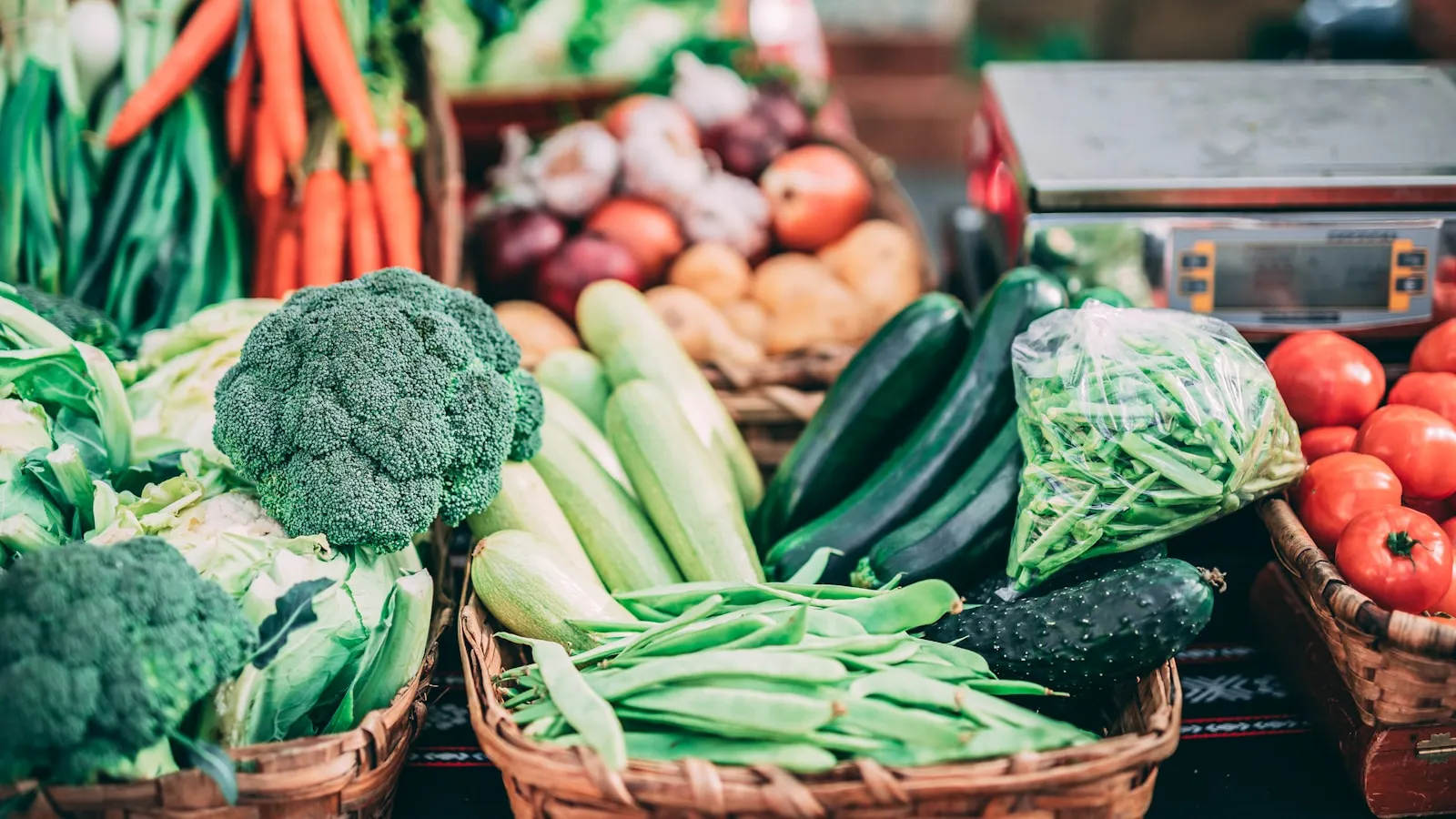
- Eat more healthily. The Voedingscentrum advises plenty of vegetables, fruit, wholegrain products, and pulses, and going easy on sugary drinks and processed food. Fibre helps blood sugar rise more slowly after a meal.
- Work towards a healthier weight. With overweight, even modest weight loss can favourably affect blood sugar. You do not have to become slim to notice a difference.
- Do not smoke and be moderate with alcohol. Both affect your blood vessels, which are already more vulnerable with diabetes.
Our take: you do not have to change everything at once. One habit you truly keep up does more than five good intentions that evaporate after the holidays.
Who is at extra risk of type 2 diabetes?
Some people are at greater risk than others, and it is good to know whether that applies to you. Then you can decide with your GP whether earlier or more frequent measuring is wise. The main factors are: overweight, especially around the belly, little movement, type 2 diabetes in a parent, brother, or sister, high blood pressure, and an unfavourable cholesterol. Women who had gestational diabetes during a pregnancy are also at greater risk later.
Background also plays a part: people with, for example, a South Asian, Turkish, Moroccan, or Surinamese background have on average a higher risk of type 2 diabetes. If you recognise several of these factors, that is no cause for worry, but it is a good reason to have your HbA1c checked. Risk factors do not mean you will get diabetes; they indicate where extra attention can be worthwhile.
What is prediabetes, and can you still reverse it?
Between a healthy blood sugar and diabetes lies an in-between zone often called prediabetes. Your blood sugar is then higher than normal, but not yet high enough to call it diabetes. This is an important moment, because there is still much to be gained in this phase. Many people notice nothing, which is why prediabetes is usually found by chance during a blood test.
The hopeful news is that prediabetes is not an inevitable route to diabetes. By moving more, eating more healthily, and losing some weight if overweight, many people can lower their blood sugar again or delay the progression to diabetes. Thuisarts.nl describes how lifestyle can make a big difference in this phase. A raised HbA1c is therefore no reason to panic, but an early signal that you still have room to adjust.
How is type 2 diabetes treated?
If diabetes is diagnosed, treatment almost always starts with lifestyle: diet, movement, and weight. For many people that is the first and sometimes only step. If that is not enough, the GP can prescribe medicines. Metformin is often the first medicine here. It is important to know that treatment is tailored and always goes through your own GP or practice nurse.
A blood test at Levenswijs does not replace that care, but it can help you know early where you stand. If you already have diabetes and use metformin long-term, keep an eye on your vitamin B12 too, because this medicine can lower its absorption. Read more about this in our article on vitamin B12 deficiency in older adults.
Besides medication, good diabetes care also includes attention to your heart, your kidneys, your eyes, and your feet, because these can be affected over time by high blood sugar. Your GP or practice nurse often checks this periodically. If you have diabetes, it is wise to attend these checks faithfully, even if you feel well. Noticing small changes in time often prevents bigger problems later.
How often should you have your blood sugar checked?
There is no fixed answer. It depends on your previous results, your weight, your family history, and whether you have symptoms. If you have a raised HbA1c or risk factors, checking more often can be useful. If your values are good, checking less often is usually enough. Discuss a suitable rhythm with your GP.
More important than the exact frequency is knowing your baseline. Once you know where you stand, you can track changes over the years, and that is exactly what prevention is about.
Frequently asked questions about type 2 diabetes in later life
Below are the questions we hear most often.
Does everyone get diabetes if they live long enough? No. The risk rises with age, but many people never get type 2 diabetes. Lifestyle and heredity weigh heavily, and lifestyle is exactly what you can influence yourself.
Do I need to fast for an HbA1c measurement? No. Unlike an ordinary glucose measurement, you do not need to fast for HbA1c, because it reflects an average over several months. That makes this test practical and reliable.
I feel fine, is testing worthwhile? Precisely then it can be useful. The first phase often passes without symptoms, and a calm measurement shows whether something is changing before it bothers you.
Which step suits your situation?
If you are worried after reading the signs, start with your HbA1c. If you want the wider picture, read how your blood values change after 60, or see which preventive blood tests make sense. If you feel mainly tired and listless, a deficiency may also play a part; then read about vitamin B12 deficiency in older adults.
Our advice: know your HbA1c before symptoms force you to. An early measurement gives you the most room to change something, and always discuss an abnormal result with your GP. A blood test does not make a diagnosis, but it does give you the insight to choose the right steps together with your doctor.
الأسئلة الشائعة
Does everyone eventually get type 2 diabetes?
No. The risk rises with age, but diabetes is not an inevitable part of ageing. Lifestyle and weight play a large role, and many people keep their blood sugar healthy for life.
What is the difference between prediabetes and diabetes?
In prediabetes blood sugar is higher than normal but not yet high enough for a diabetes diagnosis. It is a warning sign. Discuss the exact HbA1c cut-off values with your GP.
Why does the Diabetes Panel also measure my kidneys?
Because high blood sugar can strain the kidneys over time and kidney function already declines with age. Measuring HbA1c and eGFR together gives you a fuller picture.
Do I need a referral?
No. At Levenswijs you can have your blood sugar and kidney function measured without a referral. The result is reviewed by a doctor registered in the Dutch BIG register. For treatment, your GP remains your point of contact.
الكاتب